Find articles, news, topics and more...
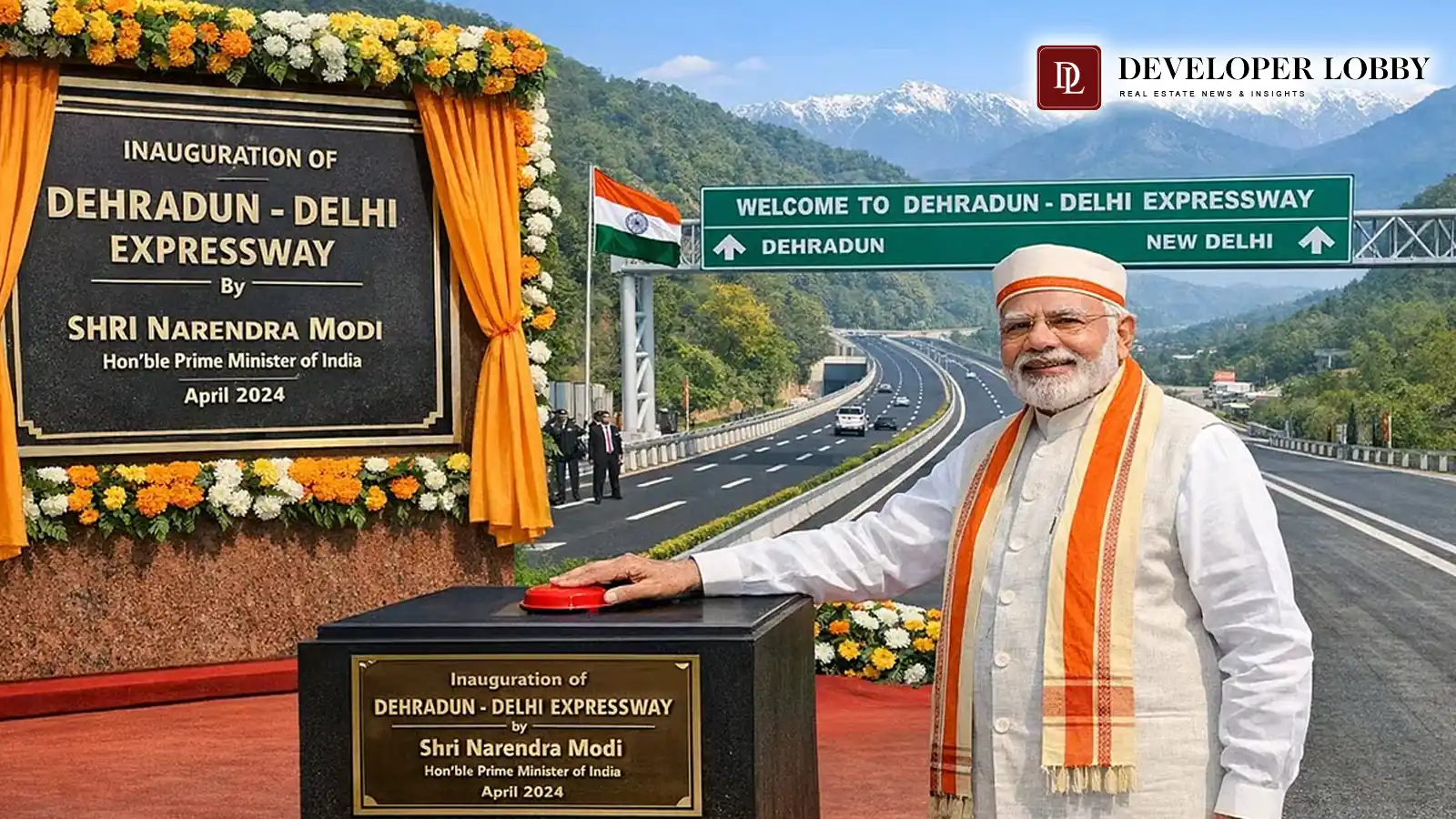
Prime Minister Narendra Modi will inaugurate the Delhi–Dehradun Expressway on April 14, 2026. This is an important road project for North India. It will improve travel between Delhi and Uttarakhand. The total cost of the project is around ₹12,000 crore.
At present, travel between Delhi and Dehradun takes around 6 hours. After the expressway opens, the time will be reduced to about 2.5 hours. This will save time, fuel, and effort for daily travelers and tourists.
The Delhi–Dehradun Expressway is around 210 km long. It starts from Akshardham in Delhi and passes through Baghpat, Baraut, Shamli, and Saharanpur before reaching Dehradun. The expressway is also known as NH709B.
This new road connects to major highways, including the Delhi–Mumbai Expressway and the Eastern Peripheral Expressway. It also gives better access to Haridwar and Roorkee. This will make travel easier across many cities.
The expressway will reduce travel time from different parts of NCR:
This will help office workers, tourists, and transport services.
The Delhi–Dehradun Expressway is built with modern design and safety features. It is planned for a speed of 100 km per hour.
Main features include:
These features will reduce traffic and improve driving comfort.
A special part of the expressway passes through Rajaji National Park. To protect animals, a 12-km elevated wildlife corridor has been built.
This section includes six underpasses for animals. A study by the Wildlife Institute of India and the National Highways Authority of India found that animals regularly use these paths. More than 40,000 wildlife movements were recorded.
This shows that development and nature protection can work together.
The foundation stone of the project was first laid on February 26, 2021, by Nitin Gadkari. Later, in December 2021, Prime Minister Narendra Modi also supported the project.
A 32-km section from Akshardham to Khekra was opened in December 2025. This helped reduce traffic in East Delhi.
The full project is now ready for inauguration in April 2026.
The expressway will have five toll plazas. Drivers should keep their FASTag active to avoid delay. The toll rates are being updated.
The road is designed for smooth and fast travel. It will reduce traffic jams and improve safety.
During construction, around 17,913 trees were cut or moved. This created concern among people. To balance this, more than 50,000 trees will be planted.
About ₹40 crore has been given to forest departments for plantation work. However, the project also faced a fine from the National Green Tribunal in 2025 for failing to provide details on tree plantation.
The Delhi–Dehradun Expressway will help tourism grow in Uttarakhand. Places like Dehradun, Haridwar, and Rishikesh will become easier to reach. It will also support business, transport, and local jobs. Faster roads help in the better delivery of goods and services.
Prime Minister Narendra Modi said that this expressway will benefit the people of Delhi-NCR, Uttar Pradesh, and Uttarakhand. It will improve connectivity and reduce travel time.
This expressway is a major step in India’s road development. It will make travel faster, safer, and more comfortable for everyone.